










The earliest warning signs of heart problems do not announce themselves loudly. They often show up quietly, such as in small changes in sleep, recovery, or daily energy.
Luckily, these signals can be detected earlier than ever before using smartwatches and health apps many people already use.
“Living is like flying a plane with unreliable instruments…”
While chest pain/angina is the first symptom of coronary artery disease for many, it differs by sex. About 2/3 of women have chest pain with exertion or extreme emotional distress before having a heart attack. Only about 1/3 of men have this early warning. Shockingly, about 15% of both men and women have no warning before sudden cardiac
death. While AI can help with all types of heart disease, it can have its biggest impact on reducing sudden death through early diagnosis and treatment. Understanding how the heart works helps explain why these subtle signals matter, and how AI can see red flags long before symptoms appear.
How the Heart Gives Early Clues
First of all, the common notion that the heart pumps blood is misleading. The heart squeezes blood to move it along through your body. Almost half of blood is delicate blood cells that would be destroyed by pumping. The heart’s motion is like a piping bag
that cake decorators use.
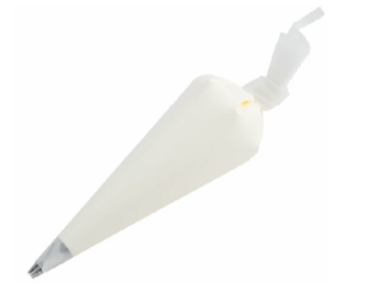
Hands squeeze the piping bag and the icing comes out. But how does the heart do this? Most people know that electricity causes muscles to contract. The heart has a special spot that generates its own electricity. This electrical signal travels through the heart in a consistent pattern, causing the muscles to contract in a steady rhythm. This rhythm squeezes the blood forward in a coordinated and gentle way.
There is another challenge: the heart is pumping against the resistance of the body. After each heartbeat, blood naturally tends to flow backward into the heart. To prevent this, living tissue inside the heart forms valves that act like one-way doors, so blood can only move forward:
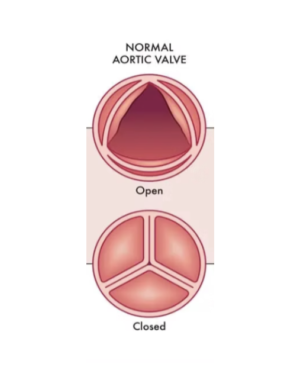
The blood rushing through the heart does not feed the heart’s muscles. Only the blood in the small coronary arteries delivers the needed oxygen and nutrients.
Finally, heart muscles vary in strength and size.
With so many moving parts involved, it’s amazing that the heart works as reliably as it does. However, something can go wrong with each aspect:
● Coronary artery disease — 42%
● Myopathy/Valvular — 37%
● Electrical disease — 17%
AI: Help Is on the Way
One of the most important ways AI can use subtle cues from wearables is to warn you of coronary artery disease:
● Heart Rate Variability (HRV) – This needs a little explanation. Your heart beats regularly, speeding up or slowing down due to activity or stress. Say your pulse is 60 beats per minute — that's once per second. However, when measured precisely, there is slight variation between beats: 1.01 seconds, 1.03 seconds, 0.98 seconds, and so on. The greater these tiny variations are, the healthier your heart is. AI can track this from your smartwatch or wearable over time. If your HRV is gradually falling, it is a warning sign for CAD and a reason to see your doctor.
● Sleep – Sleep is the biggest driver of health and helps protect against dementia. Wearing a smartwatch or wearable at night can give valuable insight into your heart’s health. One concern is sleep apnea, which involves snoring and brief pauses in breathing caused by fat or floppy tissue in the upper airways. Chronic short sleep or sleep deprivation can also put stress on your heart.
● Heart Rate Recovery – One important sign of heart health is how fast your heart rate drops after aerobic exercise. Aerobic exercise begins when your heart rate rises above 50% of your maximum. You can estimate your maximum heart rate by subtracting your age from 220 bpm. The faster your heart rate recovers afterward, the better.
Finally, a not so subtle but very important use of this technology: Your smartwatch can already detect changes in your heart rhythm (electrical disease). If that happens, follow the instructions for emergency care right away.
While AI can’t replace medical care or predict the future, it gives us a clearer picture of what’s happening before we can see or feel it. When small changes are spotted early, people have more time, more options, and better outcomes.
It is important to take care of our pediatric hearts, as well as, our mama hearts. Learn more about women’s heart health and risks and get involved with my American Heart Association Woman of Impact campaign.