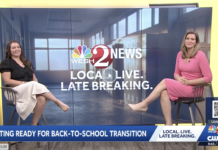









The start of a new school year can feel overwhelming, especially if you’re seeing your little one off for the first time. Dr. Christopher Culler, a pediatrician at Nemours Children’s Health, Windermere, shares his checklist for a smooth and healthy start to the school year.

Schedule a checkup
Start the year with a clean bill of health.
One of the most important things you can do before school starts is to schedule a well visit with your child’s pediatrician. Back-to-school checkups confirm your child is healthy and developmentally on track — and they’re also a great opportunity to ask questions and ensure any school-required forms are completed on time.
- Back-to-school checkups ensure your child is healthy and ready to learn. They also allow your doctor to complete any required school medical forms in advance.
- Find a primary care location near you.
Tip: Find a Nemours primary care location near you for added convenience.
Check for required paperwork and health forms
Avoid last-minute surprises by preparing now. Each school may have different health requirements, and it’s important to gather any forms or documentation well before the first day.
Here’s what to look for:
- The school may require that your child get a school entry or annual physical exam completed and signed by your doctor.
- Most schools in Florida require a vaccination record, known as the Florida Certification of Immunization (Form DH 680).
- Student-athletes need to get an annual sports physical to participate — these must be completed each year.
- If your child takes prescription or over-the-counter medication during the school day, you and your doctor may need to fill out an authorization form.
- If your child is graduating and heading to college, they may need additional vaccines, labs, or testing.
Dr. Christopher Culler emphasizes that getting a head start on paperwork gives families time to correct any issues and reduces first-week stress.
Refill prescriptions
Make sure daily medications are ready to go. If your child takes medication at school — whether daily or as needed — it’s important to have those prescriptions filled and current before the school year begins.
- Make sure your child has up-to-date prescriptions for any medications they need during the school day, including essentials like inhalers, epinephrine for allergies, and ADHD medications.
- Your doctor will most likely need to see your child before prescribing refills, so call early to schedule an appointment.
Note: Common school-day medications include inhalers, EpiPens, and ADHD medications. Refills often require an in-person exam, so don’t wait until the last minute.
Reflect on the previous school year
Use last year’s lessons to plan ahead. Before school starts, take a moment to think back on the last school year. Were there academic struggles, health flare-ups, or behavioral changes? Addressing these proactively helps set your child up for a stronger year ahead.
- Address any academic, learning, or health concerns that came up last year.
- Make sure the school nurse and teachers know about any medical conditions — like food allergies or asthma — that need to be managed during the school day.
- If you paused your child’s ADHD medication over the summer, it’s a good idea to restart it about a week before school begins.
Dr. Culler reminds parents that even small steps (like a quick note to your child’s teacher) can make a big difference in managing ongoing conditions like asthma, allergies, or attention issues.
Start easing into school-time routines
Help your child ease back into structure. Transitioning from summer to school mode can be tough. Start making small changes now to set your child (and yourself) up for a smoother first week.
- If relaxed your child’s screen time rules during the summer break, let them know about any changes to this routine before school starts.
- Begin adjusting to the right bedtime and wake-up times at least a week before school starts — new schools have new start times.
By building back-to-school habits early, your child can return to the classroom feeling confident, rested, and ready to learn.
From well visits to routine shifts, Dr. Christopher Culler’s back-to-school checklist focuses on the things that truly help your child succeed (healthy habits, preparation, and peace of mind). With the right support and planning, you can make the transition into the new school year feel a lot less stressful and even a little exciting.