









How to Help Your Kids Stay Healthy This Flu Season

As the holidays approach and school schedules fill up, flu season quietly makes its annual return. For parents, that means juggling busy routines while trying to keep everyone in the household healthy. The good news? There are simple, proven ways to help prevent the flu and other respiratory illnesses — and they start with everyday habits your kids can learn and follow.
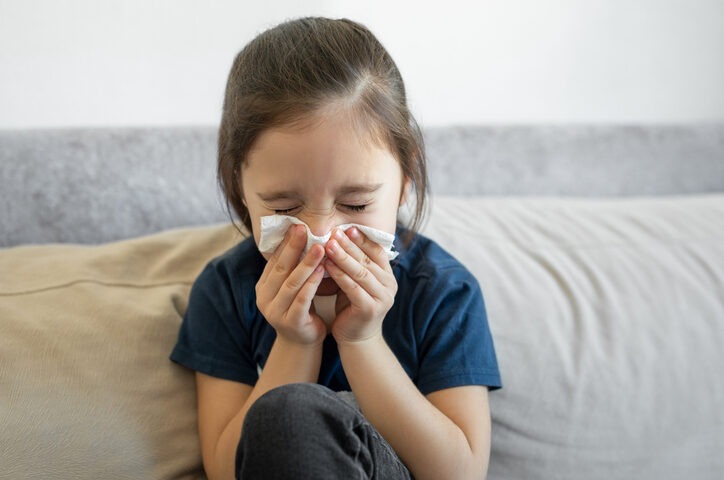
Here are five expert-backed tips from Nemours Children’s health professionals to help your family stay well this winter:
1. Handwashing: The First Line of Defense
Handwashing isn’t just a good habit — it’s the most effective way to prevent the spread of respiratory viruses, including the flu. Teach your kids to wash their hands with soap and water for at least 20 seconds. A fun trick? Have them sing Happy Birthday twice while scrubbing.
Make sure they wash:
- Before and after meals
- After touching shared surfaces (like doorknobs or classroom supplies)
- After coughing, sneezing, or blowing their nose
If soap and water aren’t available, hand sanitizer is a great alternative.
2. Cover Coughs and Sneezes the Right Way
Kids are still learning how to manage their germs, so gentle reminders go a long way. Encourage them to use a tissue to cover their mouth and nose when coughing or sneezing — and to throw it away immediately. If a tissue isn’t handy, sneezing into the elbow is the next best option. This helps prevent the spread of tiny droplets that carry viruses.
3. Wear a Mask When Sick
If your child is showing signs of a respiratory illness — even if it’s mild — wearing a mask can help protect classmates, teachers, and family members. A properly fitted surgical mask should cover both the nose and mouth snugly. It’s a simple step that can make a big difference in reducing transmission.
4. Keep Kids Home With a Fever
It’s tempting to send kids back to school as soon as they seem “okay,” but a fever is a clear sign to pause. A temperature of 100.4°F (38°C) or higher means your child should stay home until they’ve been fever-free for at least 24 hours without the help of fever-reducing medications like Tylenol® or Motrin®. Even if the fever is gone, if your child still feels too tired or unwell to participate in school, it’s best to give them more time to recover.
5. Get the Flu Vaccine — Every Year
The flu shot is recommended for everyone 6 months and older, and it’s especially important for children and others at higher risk of complications. According to the CDC, the flu vaccine can reduce the risk of needing medical care by 40–60%. While some kids may experience mild symptoms like a low-grade fever or aches after the shot, that’s just their immune system learning how to fight the virus — not a sign of illness.

Looking for a pediatrician you can trust?
Nemours Children’s makes it easy to find expert care close to home. Whether you’re scheduling a flu shot or looking for ongoing support, our pediatricians are here to help your child thrive.
Find a Nemours Children’s pediatrician near you.












 Stay Healthy This Flu Season)