







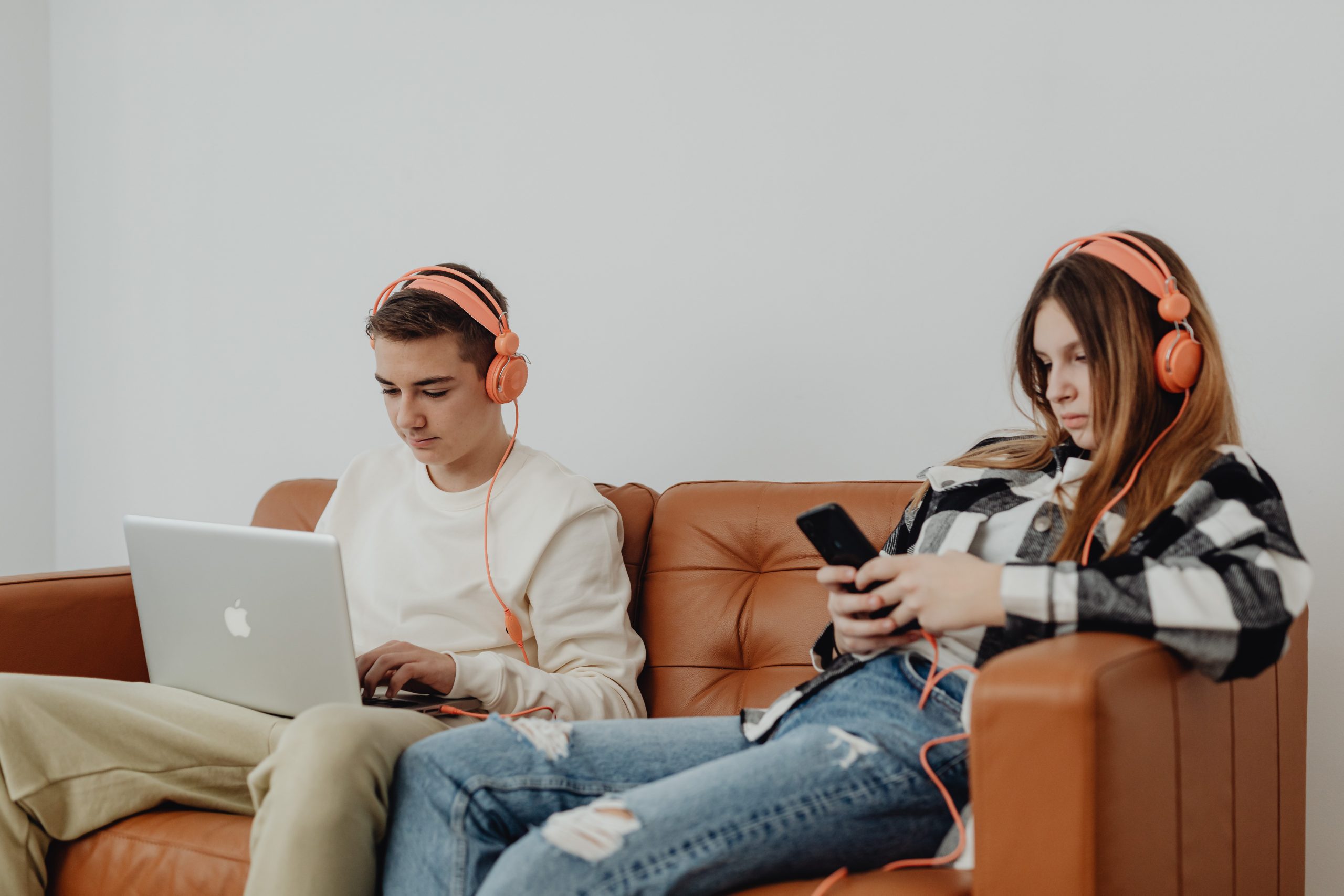


One of the most serious things plaguing our children today is the internet, specifically social media. How many parents know that seemingly innocent programs like Roblox and even Pinterest have back doors to adult content, chatting with strangers, and even pornography? Snapchat and Omegle are among the most dangerous, as they were intended to have disappearing content that cannot be monitored. In fact, some of these programs ask you to simply check a box citing you’re over 18, and then BOOM, things that would make a grownup blush are at their disposal. This makes internet safety a very important topic for parents of teens and tweens.
As the mother of two girls, a social worker, and someone who works with individuals with special needs, I can attest that the risks are there and the stakes are too high. Think sports leagues, college applications, and even future employers being able to trace back content or images on these unsavory sites.
I’d like to think I’m a pretty savvy parent, but even I was surprised as I learned more. A few years ago I happened to be in Atlanta, and I arranged for my teenager and me to visit the Bark headquarters. We had a tour and got to meet the staff and see where they filmed the Dateline expose as a 30-something mom went undercover as an 11-year-old girl. It was enlightening, to say the least, and I was glad my then 13-year-old was with me.
I highly recommend you start from the beginning and have an open discussion with your children regardless of age and whether or not they have their own devices. It’s important they know it’s not just about their habits but also that of friends who may send them inappropriate content. While nobody likes confrontation, they are responsible for what shows up on their screens.
Ensure their devices (phones, Chromebooks, laptops, etc.) are set up for optimal privacy. Don’t worry, I am going to give you some tips below. Second, make sure your Wi-Fi at home is secure. Change the passwords regularly, and let your kids know they are not to share the password without permission, as ultimately there’s a liability from other people’s actions or inactions while at your home.
This past school year, I had to contact another child’s parent to kindly request the emails stop since there was a significant amount of profanity and borderline cyberbullying in fourth grade. In my situation, I had long been using monitoring programs to keep my kids safe, but I also make sure I do random checks. My children know having a device is a privilege and not a right.
Here are some tips to keep everyone safe while on the internet:
- Model what you wish your children to do. This means no phones at the breakfast table, in restaurants, or at other times when conversation or other interactions should be the focus.
- Establish limits and clearly communicate what they are. I highly recommend creating a technology contract that you both sign.
- Set up any/all devices with safety in mind. This means no geotagging photos, location services are turned off, and passwords are controlled by a parent or other responsible adult.
- All devices are turned in to parents/guardians at night. In our house, they are delivered to the kitchen by 8pm unless other arrangements have been made. This allows adults to do routine safety checks, monitor any late-night trends, and let the kids know the expectation.
- Consider using parental monitoring programs. There are so many to choose from. But also, most phones have parental security measures that are easy for parents tot use.
Originally written on July 7, 2022, by Lisa Einsenberg. Updated on July 15, 2025, by Orlando Mom Editor.