




Halloween is often thought of as costumes, candy, and spooky fun—but for many families raising children with disabilities, the holiday can come with unique challenges. Costumes might not be sensory-friendly, trick-or-treating may not be accessible, and food allergies or dietary restrictions can make candy a stressor instead of a treat.
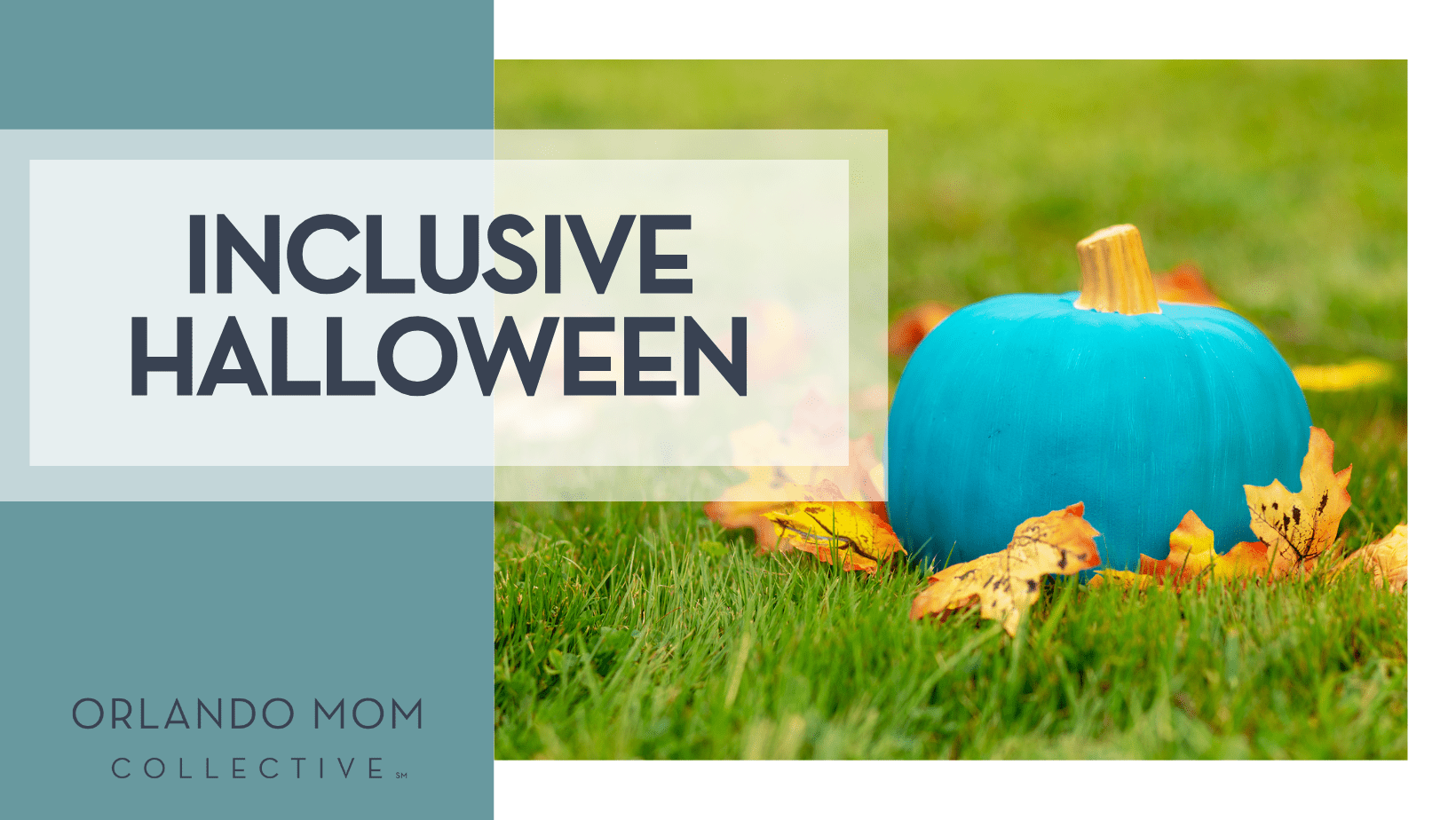
That’s where the Teal Pumpkin Project comes in. Started by Food Allergy Research & Education (FARE), this nationwide movement encourages families to place a teal pumpkin outside their home to signal they are offering non-food treats. It’s a simple act that sends a big message: every child belongs at Halloween.
Here are some ways you can make your Halloween more inclusive and joyful for all:
Think beyond costumes
Not every child enjoys or can tolerate traditional costumes. Some fabrics itch, masks restrict breathing, or mobility devices make dressing up complicated. Instead:
- Offer festive T-shirts, pajamas, or adaptive costume accessories (like a fun hat or cape).
- Let kids decorate their wheelchair, stroller, or wagon with lights, streamers, or stickers.
- Remember: showing up as themselves is just as valid as showing up in a costume.
Accessibility tricks
Halloween should be fun, not stressful. Consider small adjustments that open the door for more families:
- Pathways: Make sure your yard, porch, or entryway is well-lit and clear of obstacles.
- Table setup: If steps make your front door hard to reach, set up a table at the bottom of your driveway to hand out treats.
- Communication boards: A simple sign or picture board can help nonverbal trick-or-treaters express “trick or treat” or “thank you.”
Celebrate with non-food treats
Teal Pumpkin Project encourages handing out small toys and trinkets that all children can enjoy. Easy ideas include:
- Glow sticks or light-up bracelets
- Halloween stickers or temporary tattoos
- Bubbles, mini puzzles, or bouncy balls
- Sensory-friendly items like squishies or Play-Doh
Pro tip: Keep both candy and non-food items in separate bowls, so children and parents can choose what works best for them.
Celebrate in adaptive ways
Not every family trick-or-treats — and that’s okay! Create your own Halloween traditions:
- Host a movie night with favorite snacks and spooky (or not-so-spooky) films.
- Organize a small backyard or driveway “trick-or-treat” where friends and family set up decorated tables.
- Try sensory-friendly pumpkin painting instead of carving.
Why it matters
Inclusivity at Halloween is about more than candy; it’s about community. When children with disabilities see their needs considered, they feel seen, welcomed, and celebrated. By placing a teal pumpkin on your porch, you’re showing compassion and teaching your own kids the importance of kindness.
This Halloween, let’s make sure every child, regardless of allergies, disabilities, or differences, can join in the magic.