









My Biohacking Routine: Cold Plunge, Red Light Therapy, Sauna Bag, DexaScan

I never set out to “biohack.” I just wanted more energy, steadier moods, and a way to feel at home in my body while juggling real life. After a lot of trial and error, these tools stuck because they’re simple, repeatable, and actually make me feel better: the cold plunge, red light therapy, and a portable sauna bag are all thing that I can do at home. The DexaScan is a quick and relatively cost effective way to understand what is happening inside my body!
Here’s what I use for my biohacking routine, how I use it, and what’s changed for me.
Why These Tools?
- They’re time-efficient. I can do all three at home in under an hour when needed, or split them throughout the week. The DexaScan is super quick too, just requires an appointment (costs about $160ish)
- They stack well. Each one supports a different part of recovery, stress resilience, or circulation.
- I feel a real difference. Better sleep, calmer nervous system, and fewer afternoon crashes.
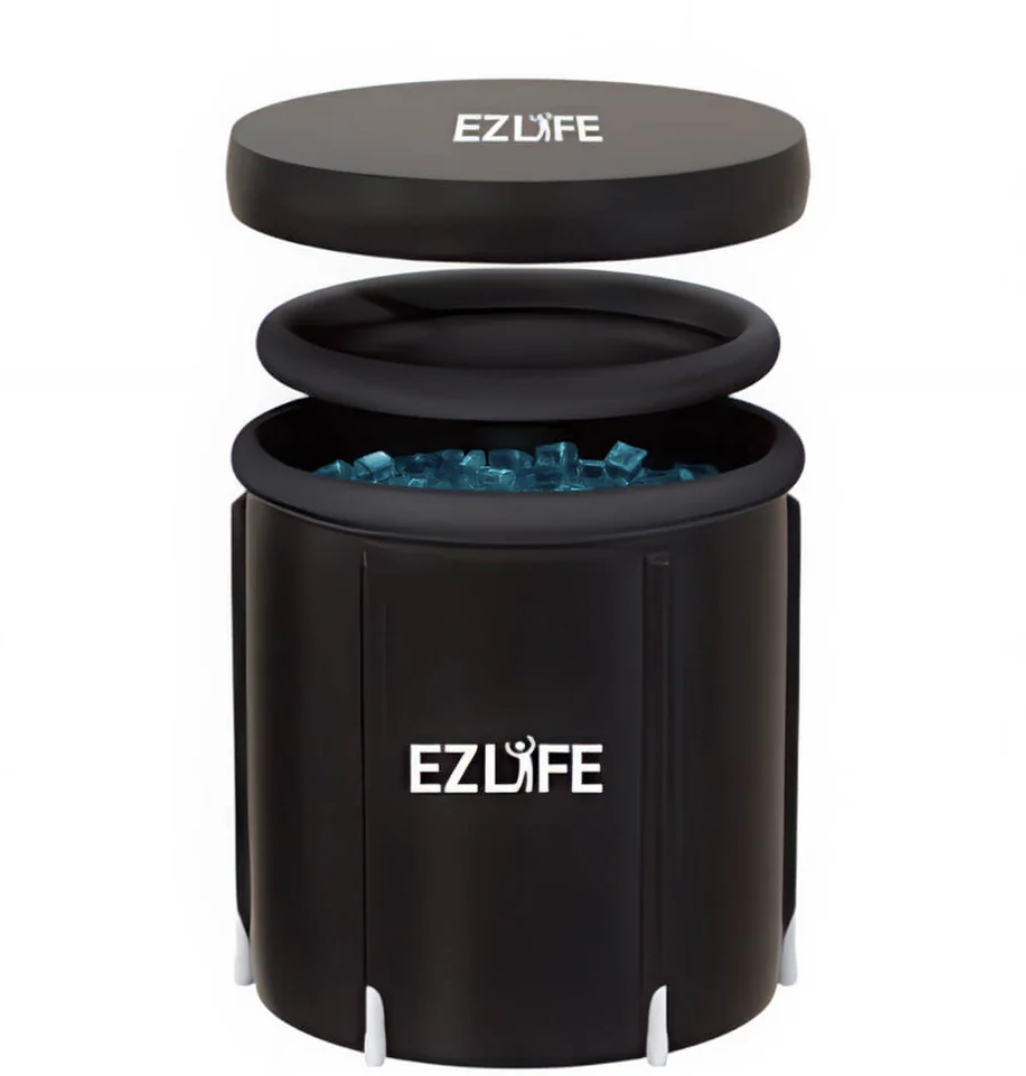
The Cold Plunge: Building Stress Resilience
What I do:
- Frequency: 3 to 4 times per week (NOT in the morning)
- Temp and time: For cold plunge beginners, it is recommended to start with water temperatures between 50°F and 60°F. I have an ice bath cold plunge, so I will add ice to mine and have to play around with it! (I have been doing cold showers to get my body kinda used to it!)
- Breathing: Slow nasal inhales, long exhales. I don’t hyperventilate or breath-hold in the water.
What I feel so far in my showers:
- A sharp reset on anxious or scattered days
- A clean, steady energy
- Faster recovery after workouts
Tips:
- Start warmer and shorter than you think. Consistency beats intensity.
- Warm up naturally afterward if possible. I do light movement or a hot shower later, not immediately.
- Don’t chase “suffering.” The goal is to leave feeling alert, not wrecked.
Safety notes:
- Skip if you’re sick, pregnant, or have cardiovascular issues unless cleared by a clinician.
- Numbness or uncontrollable shivering afterward is a sign to scale back.
- It is recommended to NOT cold plunge in the morning. Your body needs to warm up for the day, not be shocked into it.
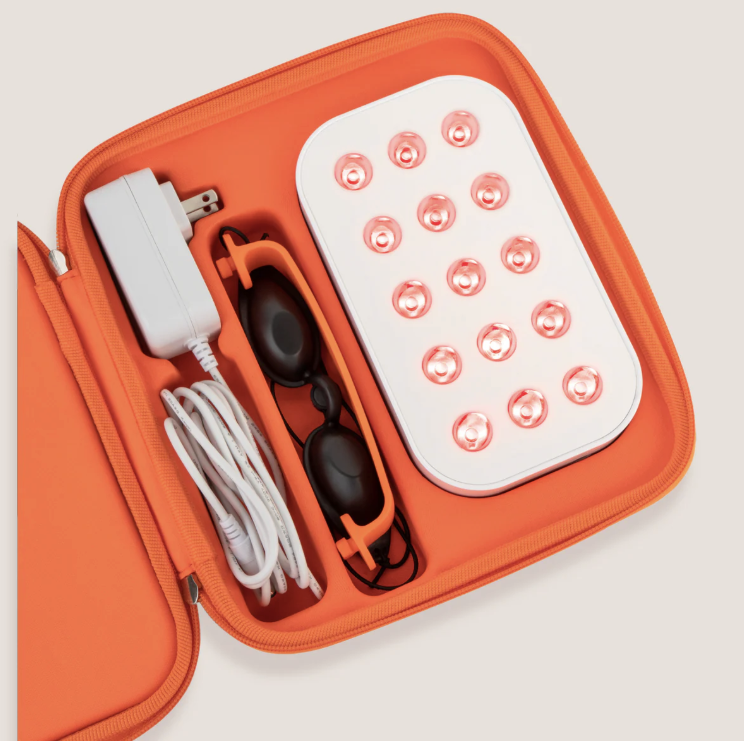
Red Light Therapy: Gentle, Daily Support
What I do:
- Frequency: Everyday, multiple times a day
- Time and distance: 8–12 minutes, about 6–12 inches from the panel
- Targets: Face and neck for skin and thyroid. Hamstrings and lower back after workouts. Lower back on high-stress days to unwind.
What I feel:
- Calmer evenings when I use it after dinner
- Subtle reduction in muscle tenderness
- Skin looks more even when I’m consistent for a few weeks
Tips:
- Eye comfort matters. I keep my eyes closed or keep the panel away from my eyes.
- Consistency > intensity. Short, regular sessions beat marathon ones.
- Use it as a “pause.” I stack it with breathwork or a quick gratitude note.
Safety notes:
- Avoid looking directly at bright LEDs up close.
- Keep device at recommended distance and avoid overheated skin.
Sauna Bag: Heat, Circulation, and Sleep Support
What I do:
- Frequency: 3-5 times per week, usually evenings
- Time and heat: 20–30 minutes on a moderate setting I can tolerate without struggling
- Stack: Sometimes I read or listen to a podcast inside. I always hydrate heavily before and after.
What I feel:
- Deep relaxation and easier sleep
- Looser hips and back the next morning
- A “cleaned out” feeling after a heavy training day
Tips:
- Start at 5–10 minutes and build up. Sweating isn’t the goal—comfort and relaxation are.
- Electrolytes matter. I add a pinch of sea salt or use an electrolyte mix (Instant Hydration is my sugar free go to).
- Towel layer inside the bag for cleanliness and heat comfort (plus wear long pants and socks!).
Safety notes:
- Avoid if dehydrated, overheated, or dizzy.
- Stand up slowly afterward and cool down gradually.

DexaFit Scan
Why It’s Good:
The DexaFit scan is a versatile tool designed for a wide spectrum of people that are seeking detailed insights into their body composition and health. Its diverse use cases make it an essential tool for many:
- Weight Loss Enthusiasts: For those on a weight loss journey, DexaFit provides precise data on fat distribution and body composition changes, enabling tailored strategies for effective weight loss.
- Fitness Aficionados and Athletes: Whether you’re a gym-goer looking to track muscle gains or an elite athlete seeking peak performance, DexaFit offers the detailed analysis needed to fine-tune your training and nutrition.
- Elite Sports: Used extensively by professional sports teams to not only enhance athlete performance but also for rehabilitation and injury prevention. Regular DexaFit scans help in fine-tuning training programs and maintaining optimal physical condition.
- Health-Conscious Individuals: For anyone invested in preventative health, DexaFit scans can reveal potential risks like visceral fat accumulation, aiding in the prevention of diseases like diabetes and heart conditions.
- Anti-Aging and Longevity Seekers: Crucial for those focused on aging well. DexaFit scans assess key factors like bone density, lean mass, and visceral fat. These metrics are correlated with aging, and our AI insights boil them down into a simple, comprehensive metric: your biological age and longevity score. This helps in tailoring strategies for longevity and a healthier, longer life.
- Endorsements from Health Experts: Renowned figures like Dr. Peter Attia, author of the bestseller Outlive, endorse DEXA for its precision and comprehensive analysis. Similarly, influencers like Tim Ferriss recognize its value in personal health optimization.
- Personal Health Tracking: Beyond athletes and fitness enthusiasts, DexaFit is for anyone interested in personal health metrics. It’s a tool for those who believe in the power of data to inform lifestyle choices and health decisions.
In essence, the DexaFit scan is for anyone who values detailed, accurate health and fitness data. Whether you’re starting a health journey, an athlete aiming for peak performance, or simply focused on aging well, DexaFit provides the insights necessary to guide your path.
Info you get:
- Visceral Fat: Precisely assess the fat around your organs, a vital indicator of wellness.
- Muscle Health: Monitor lean muscle mass and spot early signs of decline to safeguard strength.
- Regional Composition: Analyze how fat, muscle, and bone are distributed for a customized health plan.
- Bone Density: Measure bone health to prevent injuries and address osteoporosis concerns.
- Longevity & Wellness: Uncover your biological age and evaluate potential health risks for lasting well-being.
How often:
Regular DexaFit scans are crucial for actively monitoring your health progress. For most users, a scan every 3-6 months hits the sweet spot for tracking changes and measuring effectiveness. Prolonged periods without feedback might lead to following a less effective health strategy.
Cost: (directly from DexaFit Orlando)
Insurance coverage for DEXA scans can vary depending on the purpose and your personal medical situation. Here are some key points to consider:
- Bone Density Scans: If your scan is ordered by your physician and used specifically for bone density assessment, it may be covered by insurance, especially if you meet certain age and medical criteria.
- Body Composition Scans: Currently, body composition scans are generally not covered by standard health insurance and are considered cash pay. However, many users have successfully received reimbursement from their insurance carriers after submitting their DexaFit results.
- Potential Insurance Benefits: Some users have even reported obtaining reduced life insurance premiums by sharing their positive DexaFit results, showcasing improved health and lower risk factors.
- HSA/FSA Eligibility: While they continue to work towards broader insurance coverage, DexaFit scans are eligible for payment through Health Savings Accounts (HSA) and Flexible Spending Accounts (FSA), making them more accessible.
Normally scans are around $150- $180. I love going to DexaFit Orando!
How I Stack Them In a Week
- On a busy day: 12 minutes red light before coffee. 2-minute cold shower at night. Done.
- On a recovery day: 12 minutes red light, 30-minute sauna bag in the evening, followed by 2–3 minute cold shower.
- On a “reset” morning: 12 minutes red light, short walk, then light breakfast.
- Once a week “full” session: 12 minutes red light first thing, gym sesh, cold shower, then evening sauna bag. Red light multiple times.
I don’t do all three every day. I rotate based on energy, cycle, training, and stress.
What’s Changed For Me
- Energy: Fewer afternoon crashes. I can be present for work and family without feeling like I am falling asleep.
- Mood: More grounded. The cold showers especially feels like a nervous-system reset button.
- Sleep: Sauna nights = deeper sleep. Red light in the evening helps me downshift too.
- Recovery: Less lingering soreness after workouts and long days.
None of this is magic. It’s steady inputs that add up.
Getting Started Without Overwhelm
- Pick one tool and commit for 2 weeks. Notice sleep, mood, energy, and recovery.
- Keep a 1–10 daily check-in: energy, stress, sleep quality. Adjust time and frequency, not just intensity.
- Make it pleasant. Music, a timer, favorite robe, and a warm tea afterward can turn it into a ritual you’ll keep.
A Gentle Disclaimer
This is my personal routine and experience, not medical advice. If you have cardiovascular, neurological, skin, or metabolic conditions, or you’re pregnant, check with a qualified clinician before trying cold exposure, red light therapy, or heat therapy. You should also ask lots of questions before your DexaScan too!